

Cleaning motorcycle brakes: how to do it right
Cleaning your brakes is crucial for your safety on the bike, which is why you should regularly clean and check your motorcycle brake discs. Whether you are planning a leisurely tour or a sporty ride – thorough cleaning and maintenance of the brakes is a must. Here you can find out how to clean your motorcycle brakes efficiently and what you should bear in mind when doing so.
The MYCOVER® team clarifies!
Why is it so important to clean motorcycle brakes?
Over time, dirt, brake dust and rust build up on the brake discs and pads. This can impair braking performance and, in the worst case, endanger your safety. You should therefore clean and check your motorcycle brake discs regularly. Checking motorcycle brake discs means looking for cracks, wear or deformation. In extreme cases, it may also be necessary to have motorcycle brake discs turned by professionals to remove any unevenness.
Cleaning the brakes: step-by-step instructions
- Preparation: Park your bike on a stable stand and remove the front wheel if necessary. Make sure you have all the tools to hand. A brake bleeder for motorcycles can be helpful if you want to change the brake fluid or bleed the brakes after cleaning. Tip: If you don’t know where to get a brake bleeding device or which one is the best, simply enter the search term “brake bleeding device motorcycle” or “bleed brakes motorcycle” on the Internet.
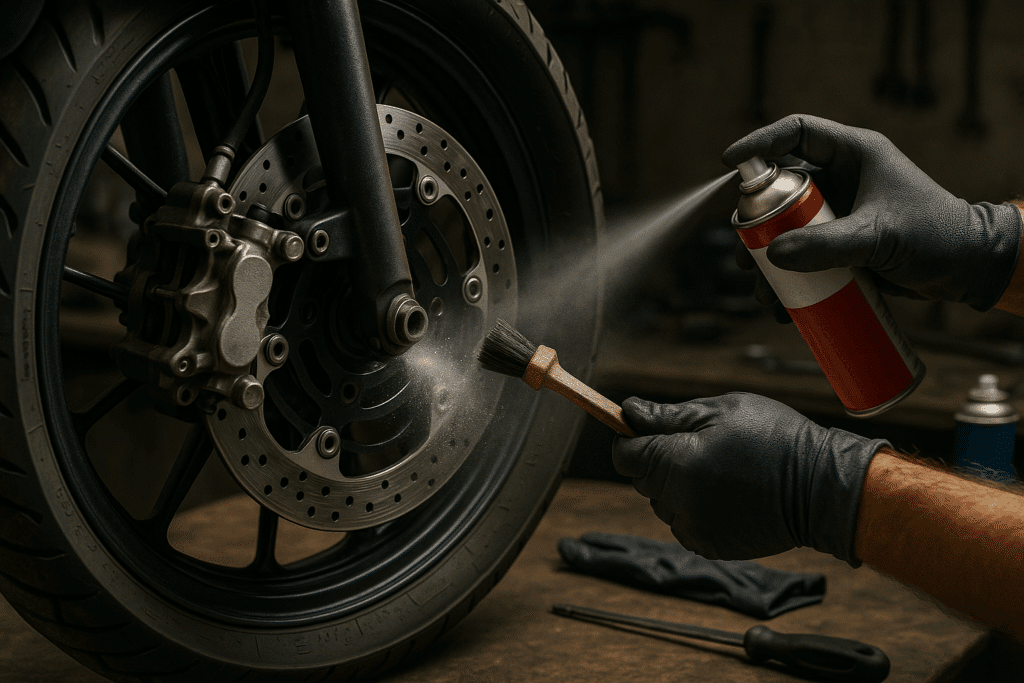
- Cleaning the brake discs: To clean brake discs on your motorcycle, you can use special brake cleaners. They remove dirt and grease efficiently and are gentle on the materials. If you don’t have any brake cleaner to hand, there are also brake cleaner home remedies, such as a mixture of vinegar and water or isopropanol. Wipe the windows thoroughly with a clean cloth. If you would like to find more tips or detailed instructions on the subject, enter the search term “clean brake discs motorcycle” on the Internet.
- Removing rust: If your brake discs have rusted, you can remove the rust by using a fine metal brush or an abrasive fleece. Be careful not to work too aggressively so as not to damage the surface of the disc. If you notice further rust on your motorcycle, find out more about how to get rid of it on our motorcycle rust page.
- Check pads: Check the brake pads for wear. If they are too worn, they must be replaced. After cleaning the discs and pads, you should clean the motorcycle brake disc and allow it to dry before refitting everything.
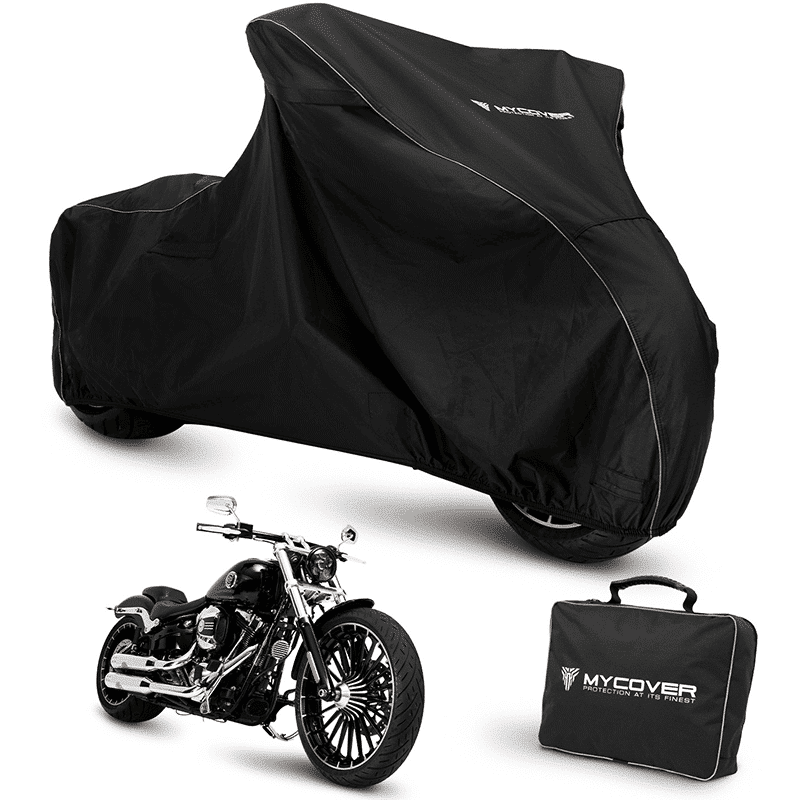
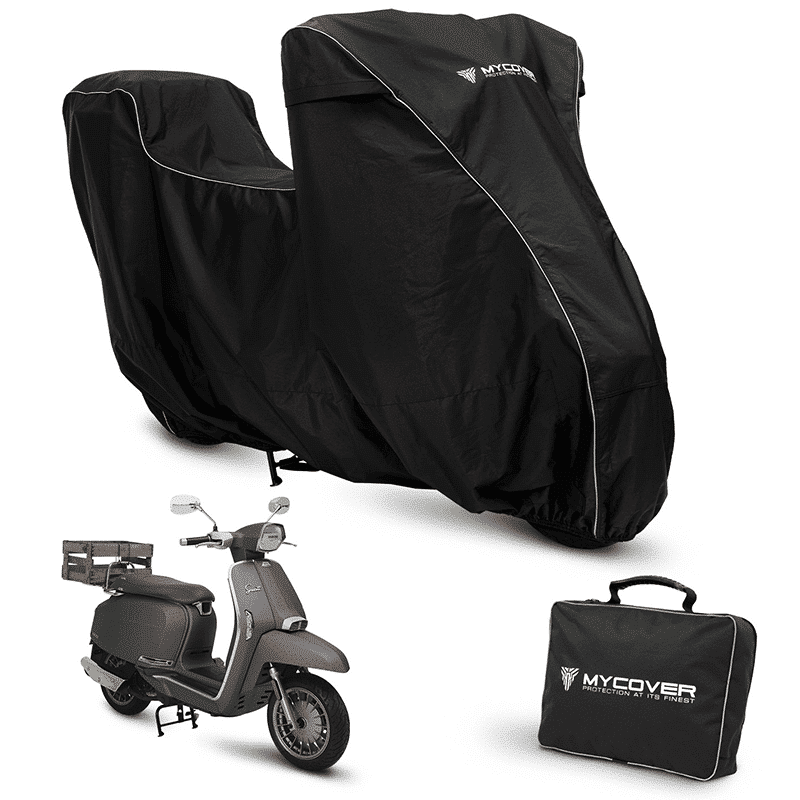
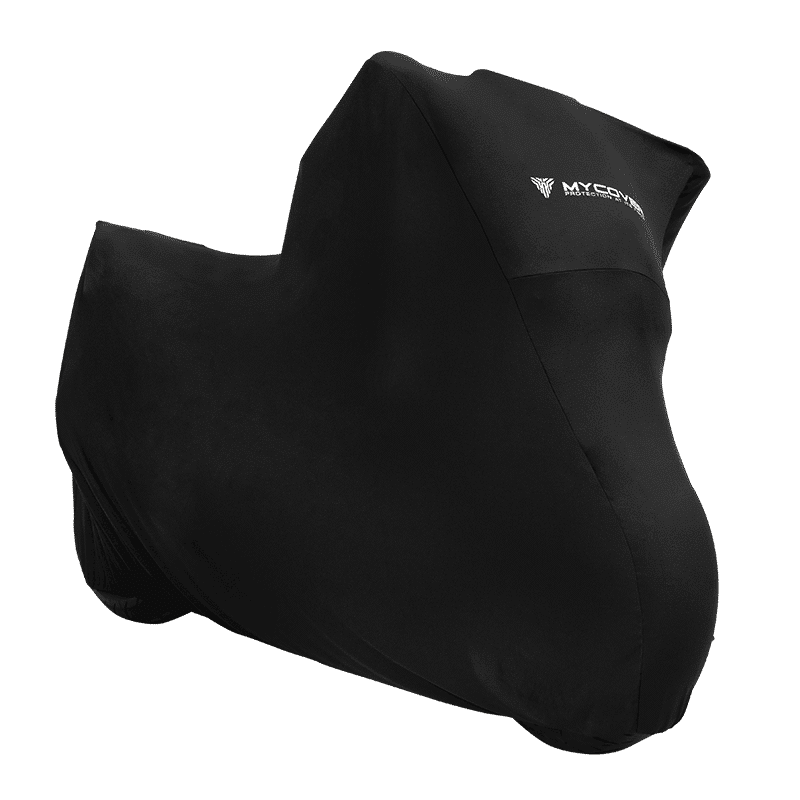
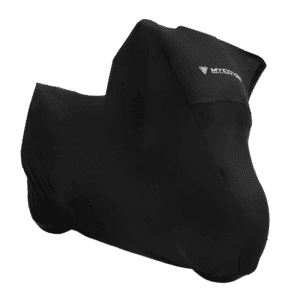
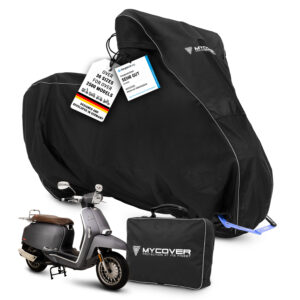
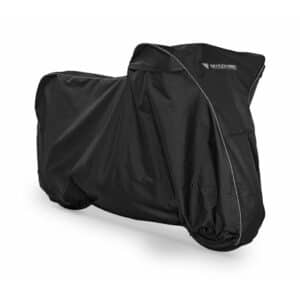
Note: With a Motorcycle covers you prevent dirt and moisture from re-contaminating your brakes.
-
 MYCOVER® Premium outdoor Motorcycle covers
Price range: 159,00€ through 279,00€Price range: 134,00€ through 254,00€🏆 Bestseller
🔥 Save 25€ now!
✨ 15 Sizes
-
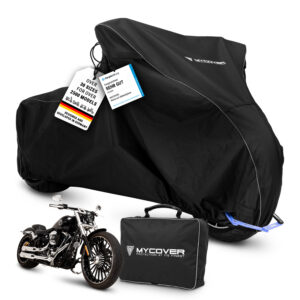
MYCOVER® Premium Outdoor Chopper Covers
Price range: 189,00€ through 249,00€Price range: 164,00€ through 224,00€🏆 Bestseller
🔥 Save 25€ now!
✨ 8 Sizes
-
MYCOVER® Premium indoor motorcycle tarpaulinPrice range: 109,00€ through 129,00€
🏆 Bestseller
✨ 4 Sizes
Bleeding the brakes: this is how you proceed
After cleaning or when you have changed the brake fluid, it is important to bleed the brakes on the motorcycle. If you don’t know how to do this, simply enter “bleed motorcycle brakes” on the Internet. A brake bleeding device for motorcycles makes your work easier and ensures that no air remains in the brake system. This increases the braking force and prevents a spongy feeling when braking.
Louis Brake cleaner and other tips
A high-quality brake cleaner such as Louis brake cleaner offers an efficient way to remove dirt and grease. If you are not looking for a professional solution, try the above-mentioned brake cleaner home remedies. However, make sure that the product you choose does not cause any damage to the brake discs or pads.
Tips for long-term protection of the brakes
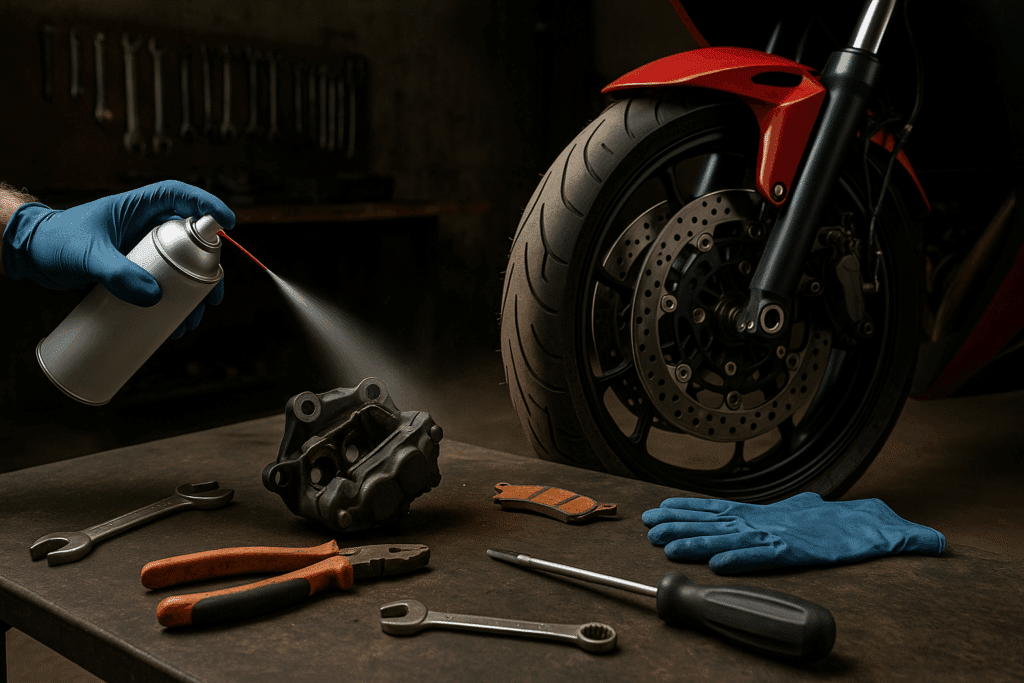
- Regular maintenance: Clean your brakes at regular intervals, especially after riding in the rain or on dirty roads.
- Additional protection: Use a Motorcycle covers to protect your brakes and other components from dirt, moisture and corrosion. This extends the intervals between cleanings and reduces maintenance work.
- High-quality products: Use brake cleaners and care products that have been specially developed for motorcycles to achieve optimum results.
Conclusion: Clean brakes – safe driving
Regular cleaning and maintenance of the brakes is a must for every motorcyclist. Regardless of whether you use a professional brake cleaner or a home brake cleaner – make sure that everything is thoroughly cleaned. Also check the condition of the discs and pads to ensure that your motorcycle brakes optimally.
Our tip: Supplement your maintenance with a high-quality Motorcycle covers to protect your motorcycle and its components from dirt and corrosion in the long term. Clean brakes not only mean more safety, but also a better riding experience!
-
MYCOVER® Premium outdoor Motorcycle covers
Price range: 159,00€ through 279,00€Price range: 134,00€ through 254,00€🏆 Bestseller
🔥 Save 25€ now!
✨ 15 Sizes
-
MYCOVER® Premium Outdoor Chopper Covers
Price range: 189,00€ through 249,00€Price range: 164,00€ through 224,00€🏆 Bestseller
🔥 Save 25€ now!
✨ 8 Sizes
-
MYCOVER® Premium indoor motorcycle tarpaulinPrice range: 109,00€ through 129,00€
🏆 Bestseller
✨ 4 Sizes
FAQ – Frequently asked questions about cleaning brakes
Why is it important to clean my motorcycle brakes regularly?
Over time, brake dust, dirt and rust build up on the brake discs and pads, which impairs braking performance. Regular cleaning therefore ensures better braking power, extends the service life of the brake components and increases safety.
Which cleaning agents are particularly suitable for motorcycle brake discs?
Cleaners specifically for brakes are the best choice for effectively removing grease and dirt. Alternatively, home remedies such as vinegar-water mixtures or isopropanol can be used. In the case of rust, a fine metal brush or an abrasive fleece helps to gently clean the brake discs.
When and how should you bleed the brakes?
The brakes should be bled, especially after a brake fluid change or if there is air in the system, to ensure optimum braking performance. A brake bleeding device can be used to keep the system free of air and avoid a spongy brake feel.
How do I clean the brake disk properly?
Use a special brake cleaner on a clean, lint-free cloth. Wipe the brake disk thoroughly and completely remove any residue. Do not use any products containing oil or silicone, as this can severely impair the braking effect.
What should I never do when cleaning the brakes?
Never use greasy or aggressive household cleaners, as these can damage rubber seals and brake pads. High-pressure cleaners are also taboo: they force moisture and dirt into the sensitive seals and bearings.
How can I tell if my brakes are dirty or oily?
If the brakes engage with a delay, squeal or the discs look streaky, this is often due to dirt. An unpleasant smell when braking or uneven braking action are also warning signs.
Can I clean brakes myself or do I need a workshop?
You can clean the outside of brake discs and calipers yourself. However, for dismantling the brake system or cleaning the pistons, you should bring specialist knowledge or visit a workshop.
Do I need to pay attention to anything after cleaning the brake?
Yes, before the next ride: test the brakes carefully at low speed. Brake pads may have to engage a few times until they are fully effective again. Never set off if the brake feels spongy or slippery.
How do I clean the brake pistons and callipers?
Only when removed and with great care. Piston rings must not be damaged or contaminated. Use special cleaning brushes and, if possible, only acid-free products. If in doubt, it is better to take it to the workshop.
What can happen if I don’t clean the brakes regularly?
Insufficiently maintained brakes can grind, overheat or fail. The service life of discs and pads is also drastically reduced. In the worst case, braking performance can fail in an emergency, with dangerous consequences.